
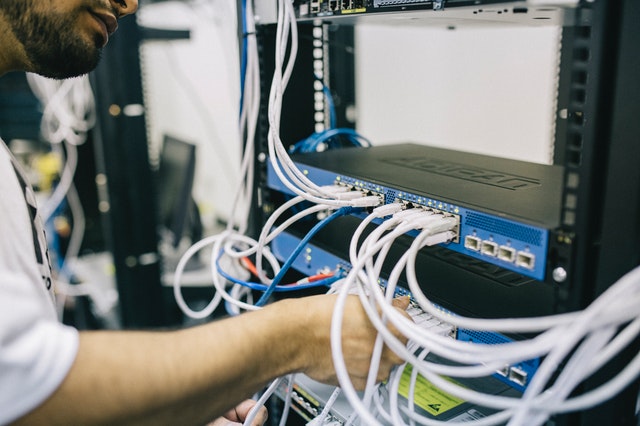
Low Voltage Contractor - What They Do and Why You Need One
Table of Contents
- Introduction
- What Is a Low Voltage Contractor?
- Key Services Offered by Low Voltage Companies
- Why Hire a Low-Voltage Electrical Contractor?
- Installation, Servicing, and Maintenance
- Tips for Choosing the Right Low Voltage Contractor
- Conclusion
- FAQs
Introduction
Technology has reshaped how we live, work, and connect with the world around us. Smart devices, security systems, and high-speed networks are no longer luxuries but everyday essentials in modern homes and businesses. To keep all these systems running smoothly, you need a qualified low voltage contractor who understands the technology from the ground up. Whether you are setting up a new office network or upgrading your home security, the right professional makes a huge difference.
This guide breaks down everything you need to know before hiring one.
What Is a Low Voltage Contractor?
A low voltage contractor is a trained professional who designs, installs, and maintains systems that operate below 50 volts. These systems include structured cabling, surveillance cameras, fire alarms, audio-visual setups, and smart home automation. They are different from traditional electricians, who focus on high-power circuits running at 120V or 240V.
Low voltage technicians work on both residential and commercial projects. Their expertise covers the full technology and data infrastructure of a building, not the high-power wiring behind your outlets.
Key Services Offered by Low Voltage Companies
Low voltage companies offer a wide range of specialized services across different industries and property types.
Structured Cabling and Networking
Technicians install Ethernet cabling (Cat5e, Cat6, Cat6a), fiber optic lines, and coaxial cables for reliable internet and phone systems. They also handle server room build-outs, cable patching, and infrastructure upgrades that replace outdated wiring with faster, modern alternatives.
Security and Life Safety Systems
This includes CCTV and IP camera installation, access control systems like keycards and biometric scanners, and fire alarm installation and testing. These systems are built to meet current safety codes and protect both people and property.
Audio-Visual and Smart Automation
Low voltage services cover commercial sound systems, video conferencing setups, and digital displays. On the residential side, technicians install home theaters, smart lighting, climate controls, and entertainment systems that can all be managed through a smartphone or tablet.
Building Automation
Smart thermostats, HVAC integration, occupancy sensors, and intercom systems all fall under this category. Pre-wiring new construction for future smart upgrades is also a common service that saves significant time and money down the road.
Wireless and Specialized Services
Wireless access point (WAP) installation ensures strong WiFi coverage throughout a building. Other specialized services include landscape lighting design, VoIP phone systems, and PoE device setup.
Why Hire a Low-Voltage Electrical Contractor?

Many property owners wonder whether they really need a specialist or if any general electrician can handle the job. Here is why hiring a low-voltage electrical contractor is the smarter choice.
Expertise in Modern Technology
Low voltage technicians stay current with the latest advancements in networking, automation, and security. They understand how different systems integrate and can design solutions that are scalable for future needs.
Code Compliance and Certifications
Reputable contractors hold certifications such as BICSI, CEDIA, or state-issued alarm technician credentials. These ensure your systems meet NEC low-voltage standards and local building codes, which protects you legally and operationally.
Minimizing Downtime
A skilled low voltage contractor completes installations efficiently and troubleshoots problems faster than a general technician. This is especially important for businesses where network or security downtime directly impacts productivity and revenue.
Cost-Effective Solutions
Professional planning prevents expensive mistakes. A qualified contractor helps you invest in the right systems from the start, avoiding repeated service calls or premature replacements.
|
Benefit |
Details |
|
Specialized Knowledge |
Focuses only on low voltage systems |
|
Code Compliance |
Meets NEC and local safety standards |
|
Faster Troubleshooting |
Reduces operational downtime |
|
Long-Term Savings |
Proper planning avoids costly rework |
Installation, Servicing, and Maintenance
Low voltage services go beyond a one-time installation. Here is what the ongoing relationship with your contractor typically includes.
- Installation: Every system starts with a professional installation tailored to your specific space and needs. Technicians assess the layout, plan the infrastructure, and complete the setup with minimal disruption.
- Servicing: Periodic servicing keeps your systems clean, functional, and free of hidden deficiencies. This includes checking device performance and making minor adjustments as needed.
- Maintenance: Regular maintenance extends the lifespan of your investment. Fire alarms, security cameras, and network equipment all require consistent upkeep to stay reliable and compliant.
Skipping maintenance is one of the most common mistakes property owners make. Systems that are not serviced regularly tend to fail at the worst possible moments.
Tips for Choosing the Right Low Voltage Contractor
Not every contractor offers the same level of quality or reliability. Keep these points in mind when making your decision.
- Verify certifications such as BICSI or CEDIA before signing any agreement
- Ask for a detailed project plan that includes timelines and equipment specifications
- Check reviews and references from past residential or commercial clients
- Confirm that the contractor offers ongoing maintenance and support after installation
- Request itemized quotes from at least two or three low voltage companies to compare pricing fairly
Conclusion
Low voltage systems are the backbone of modern connectivity, security, and comfort in any property. From structured cabling to smart home automation, these systems require professional expertise to function at their best.
RMS Installs have helped countless homeowners and businesses across Atlanta and the greater Georgia area build reliable, efficient, and future-ready low voltage infrastructure. If you are ready to upgrade your systems or need expert guidance on where to start, give us a call today at (470) 456-3108. We are here to make the process simple, affordable, and built to last
FAQs
What are low voltage services?
Low voltage services include the installation and maintenance of systems operating below 50 volts, such as networking cables, CCTV cameras, fire alarms, smart home automation, and audio-visual equipment.
What is the highest paid low voltage technician?
Senior low voltage technicians specializing in data center infrastructure or building automation systems can earn between $70,000 and $100,000 or more annually, depending on certifications and location.
Is a low voltage technician a good career?
Yes, it is a strong career path with growing demand. As smart homes and commercial automation continue to expand, qualified low voltage technicians are consistently in high demand across the country.
How much do low voltage electricians charge per hour?
Low voltage electricians typically charge between $50 and $100 per hour depending on the scope of work, location, and their level of certification and experience.
What systems does a low voltage contractor install?
They install structured cabling, security and surveillance systems, fire alarms, audio-visual setups, smart home devices, wireless access points, and building automation controls.
How is a low voltage contractor different from a regular electrician?
A regular electrician handles high-voltage power systems like outlets and panels. A low voltage contractor focuses exclusively on data, communication, and automation systems that run below 50 volts.

Explore 0%* APR financing for your project
*0% interest is for promotional period only.
 Hearth
Click Here to Fill The Form Online or Call us at:
Business Hours
| Monday | 08:00 AM - 06:00 PM |
| Tuesday | 08:00 AM - 06:00 PM |
| Wednesday | 08:00 AM - 06:00 PM |
| Thursday | 08:00 AM - 06:00 PM |
| Friday | 08:00 AM - 06:00 PM |
| Saturday | 10:00 AM - 05:00 PM |
| Sunday | (Closed) |
Residential Services
Business Solutions
Services Areas